
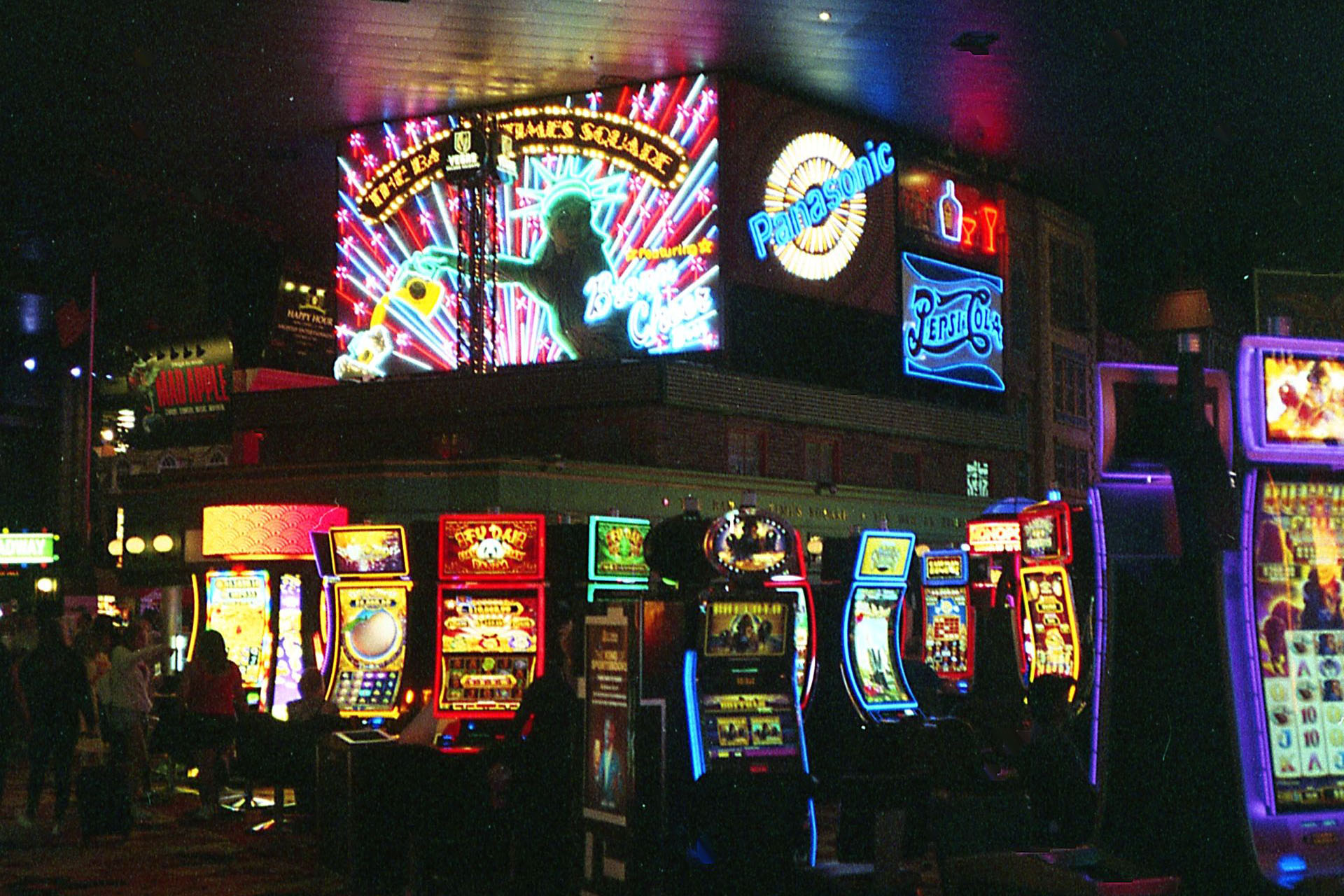
There’s a specific kind of jolt that happens right before a jump scare lands. Your body knows something is coming before your mind fully processes it: muscles tense, breath catches, heart rate spikes. Then the scare hits, and there’s a strange relief that follows, almost euphoric. That exact same neurological pattern shows up in a completely different context: the moment right before a slot machine reel stops on a jackpot.
The Shared Chemistry of Fear and Reward
Dopamine doesn’t just respond to pleasure. It responds to anticipation, uncertainty, and the resolution of both. Horror films are built almost entirely around manipulating that anticipation, stretching out the unknown until the release becomes physically satisfying regardless of whether the outcome is scary or safe. Gambling works on the same principle from the opposite emotional direction, using uncertainty and a possible reward instead of uncertainty and a possible threat.
In both cases, the brain doesn’t fully distinguish between “something bad might happen” and “something good might happen” during the anticipation phase. The dopamine spike occurs before the outcome is even known, which is why the build-up in a horror scene and the spin of a slot reel can feel oddly similar in the moment, even though the emotional content couldn’t be more different.
Why Jump Scares and Jackpots Both Rely on Timing
A jump scare that comes too early in a scene fails because the tension hasn’t built enough. One that comes too late loses the audience’s attention entirely. The most effective horror filmmakers treat the delay itself as the actual content of the scene, not just a setup for the payoff.
Slot machines and casino games operate under a similar logic, even if the mechanism is mathematical rather than directorial. The pacing of near-misses, the visual buildup of spinning reels slowing down, and the brief pause before a result displays are all functioning the same way a horror director uses a slow tracking shot down a hallway. The wait is the experience, not just the prelude to it. Some platforms lean heavily into this kind of pacing, and players researching the best casino online in Canada will often find that the most engaging ones are the ones that get this timing right rather than the ones with the biggest game libraries.
The Role of Near-Misses
Horror has its own version of the near-miss: the moment where the monster is almost seen, or a character almost escapes, only for the threat to reassert itself. That near-miss structure keeps tension elevated without releasing it, and it is one of the most reliable tools in suspense filmmaking.
Gambling research has identified the same mechanism as one of the most psychologically powerful aspects of slot machine design. A near-miss, where the reels land one symbol away from a jackpot, activates reward-anticipation circuits in the brain almost as strongly as an actual win. Game studios understand this well, and providers like Yggdrasil design reel animations and bonus sequences specifically to stretch out that anticipation window as long as possible before a result lands. Neither horror nor gambling needs a constant stream of payoffs to keep someone engaged. They need the credible possibility of one.
Why the Comparison Has Limits
The similarity is real at a neurological level, but the contexts diverge in an important way. A horror movie’s anticipation cycle resolves itself within a fixed runtime, and walking away afterward costs nothing. A gambling session’s anticipation cycle can repeat indefinitely, and walking away costs whatever was wagered. The same dopamine pathway that makes both experiences feel compelling does not come with a built-in stopping point, which is why responsible gambling messaging exists specifically to interrupt a cycle that, left alone, has no natural end the way a film does.
Two Genres Built on the Same Wait
Horror and gambling rarely get compared directly, but they’re both, at their core, entertainment built on the management of uncertainty. One resolves that uncertainty with a scare, the other with a payout, but the experience of waiting for either one taps into the same circuitry. It’s worth understanding why both feel the way they do, even if only one of them is designed to be walked away from clean every time.
Support Halloween Love
If an item was discussed in this article that you intend on buying or renting, you can help support Halloween Love and its writers by purchasing through our links:
