
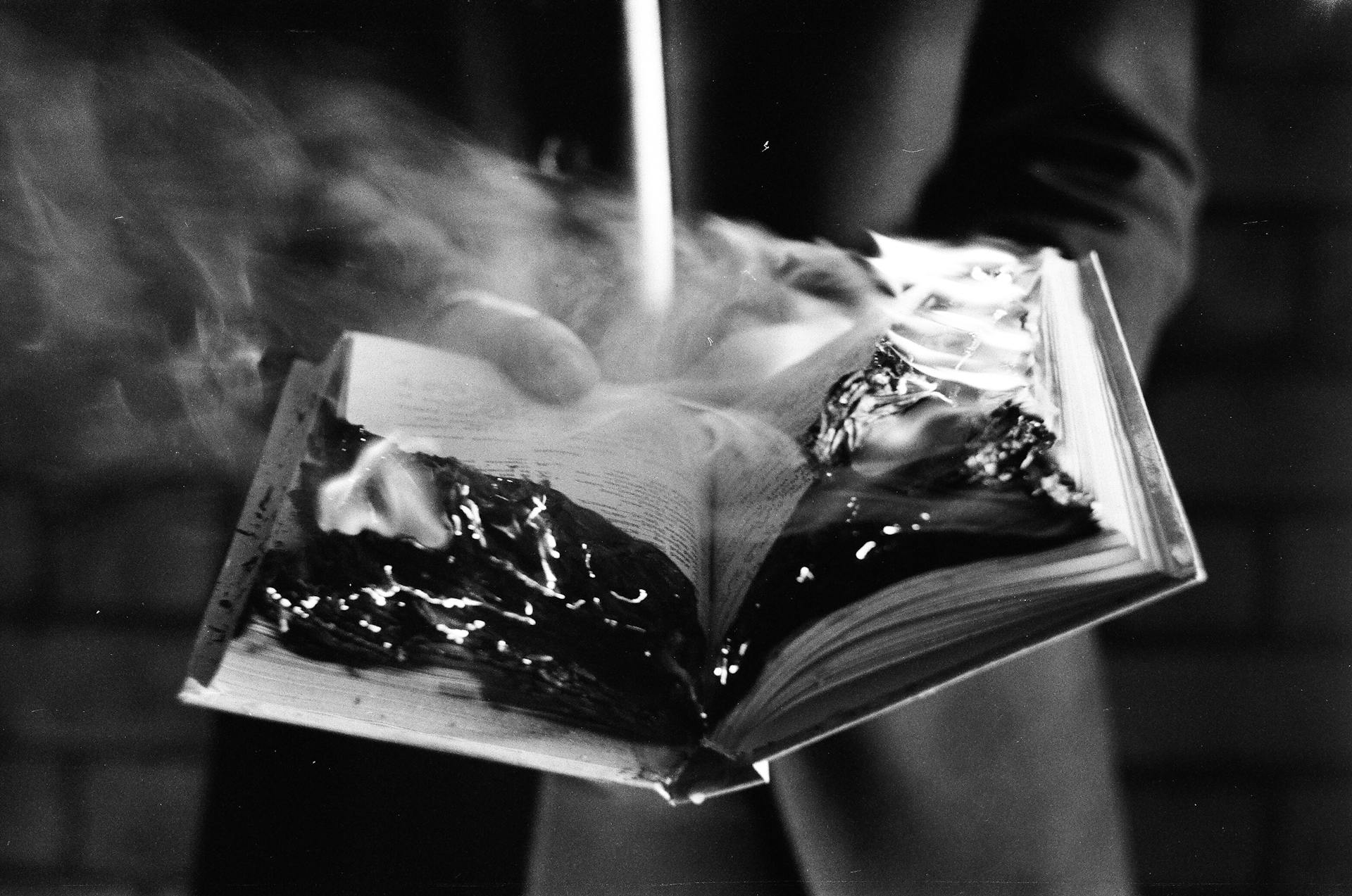
There’s a small moment in storytelling — any kind of storytelling, not just film or photography but also real life — where someone stops being “someone wearing clothes” and starts feeling like a character with a back story.
You feel it immediately, even if you can’t say why.
It may be in the way fabric falls unevenly. The muted tone of an outfit. Such a small detail, but it feels lived-in rather than styled. Nothing loud. Nothing obvious. But it all adds up to a deliberate presence, as if there is a story behind it.
This is the nature of subtle storytelling through clothing: to make something as surface as appearance into identity by way of not being at all big about it.
The Science of First Impressions
Humans process visual information at lightning speed. Long before any words are uttered, the brain is beginning to form interpretations based on shape, hue, movement and texture.
But here’s something more interesting: we don’t recall all that we experience — we recall what seems coherent.
Complexity does not define a “character,” consistency does. When visual elements are in line — even tangentially — the brain bridges gaps and defers meaning.
That’s also why certain looks feel credible straight away and others seem like costumes. One tells a story. The other just displays elements.
The Difference Between Clothing and Character
One of the most common mistakes in visual design is thinking that adding more detail means depth. In reality, depth is an issue of alignment, not volume.
A costume becomes a character when it possesses:
- A sense of history
- A consistent emotional tone
- A unified visual language
Clothing alone is static. Character is dynamic. It implies movement, memory and life beyond the frame.
Even a simple outfit can be transformative, if every element feels like part of the same narrative.
The Hidden Power of Layers
Clothing seldom lives on one surface. It lives in layers — literally and figuratively.
The layers have different functions:
- Base layers embody foundation and function
- Mid layers carry personality and expression
- Outer layers shape perception and identity
But the most compelling storytelling is often in the layers behind what’s center stage.
Subtle details — whether that’s texture differences, small contrasts or hidden components — provide depth without demanding attention.
Even something as easily overlooked as socks plays a part in this structure, reinforcing the idea that identity is built from the ground up. Brands like USportsGear reflect how essential even base apparel layers are to comfort and identity, as well as a team’s cohesive presence.
Color as Emotional Structure
Color is one of clothing design’s most potent storytelling devices. It expresses emotion before form is even registered.
- Deeper shades imply seriousness, mystery or emotional heaviness
- Subdued colors feel real and grounded in identity
- Controlled contrast implies intention and clarity
What makes color succeed in subtle storytelling is not vibrant use, but restraint.
When colors are too loud or unbalanced, they stop communicating meaning and start competing for attention. When they are restrained, they subtly strengthen character identity.
Small Details That Influence Perception
Humans are highly sensitive to slight mismatches. Even when we are not consciously aware of them, we feel them.
This is why subtle design choices matter:
- Fabric texture and weight
- Slight asymmetry in placement
- Natural folds or imperfections
- Wear suggesting time and experience
These details function like narrative cues. They suggest that the person exists outside of the moment in which we see them.
Without them, everything feels staged. With them, everything feels lived-in.
Movement: The Missing Storytelling Layer
Fabric is not static — it travels with the body, and that movement is part of the story.
The way a character stands, moves and carries themselves can dramatically alter how clothes are read.
For example:
- Slow, purposeful movement evokes power or intrigue
- Loose movement indicates familiarity or ease
- Erratic or stiff movement can pull attention out of the illusion
In subtle storytelling, motion is what completes the picture. Without it, even the best design elements can feel incomplete.
Accessories as Narrative Anchors
Small accessories can often bear disproportionate storytelling weight — not because they are loud, but because of the complementary layer they add.
They are anchors that weave together layers of identity.
A fabric detail, a small touch of color, or a simple functional element can unify an entire visual concept.
These components tend to work best when they aren’t trying to be the star of the show — instead serving as a quiet undercurrent reinforcing the larger identity.
Context: Why Environment Changes Meaning
A character is not an island. The environment around them reshapes the way they’re perceived.
Light, background and setting all influence interpretation:
- Dim environments increase mystery
- Bright environments reduce ambiguity
- Natural environments add realism
- Artificial environments add stylization
An identical outfit can tell vastly different stories depending on where it lives. That is why character design always needs to consider context, not just clothing.
When Subtle Storytelling Fails
This is a powerful approach, but only when done intentionally.
Common mistakes include:
- Adding details without narrative purpose
- Mixing conflicting visual tones
- Piling unnecessary elements over the design
- Ignoring cohesion between layers
When too many ideas compete, the story becomes murky. Subtle storytelling works best when everything points toward one thing.
When Clothes Become Stories
At its heart, subtle storytelling has nothing to do with fashion, costume or even design. It is about meaning.
It is the notion that identity can speak without description, and that when the ingredients are in sync, simply being present is enough to tell a tale.
The most compelling characters are rarely the most complicated. They are the most coherent.
Because when clothes cease being merely clothes — and become a channel for history, emotion and intent — they need not shout.
They just need to be believed.
Support Halloween Love
If an item was discussed in this article that you intend on buying or renting, you can help support Halloween Love and its writers by purchasing through our links:
