
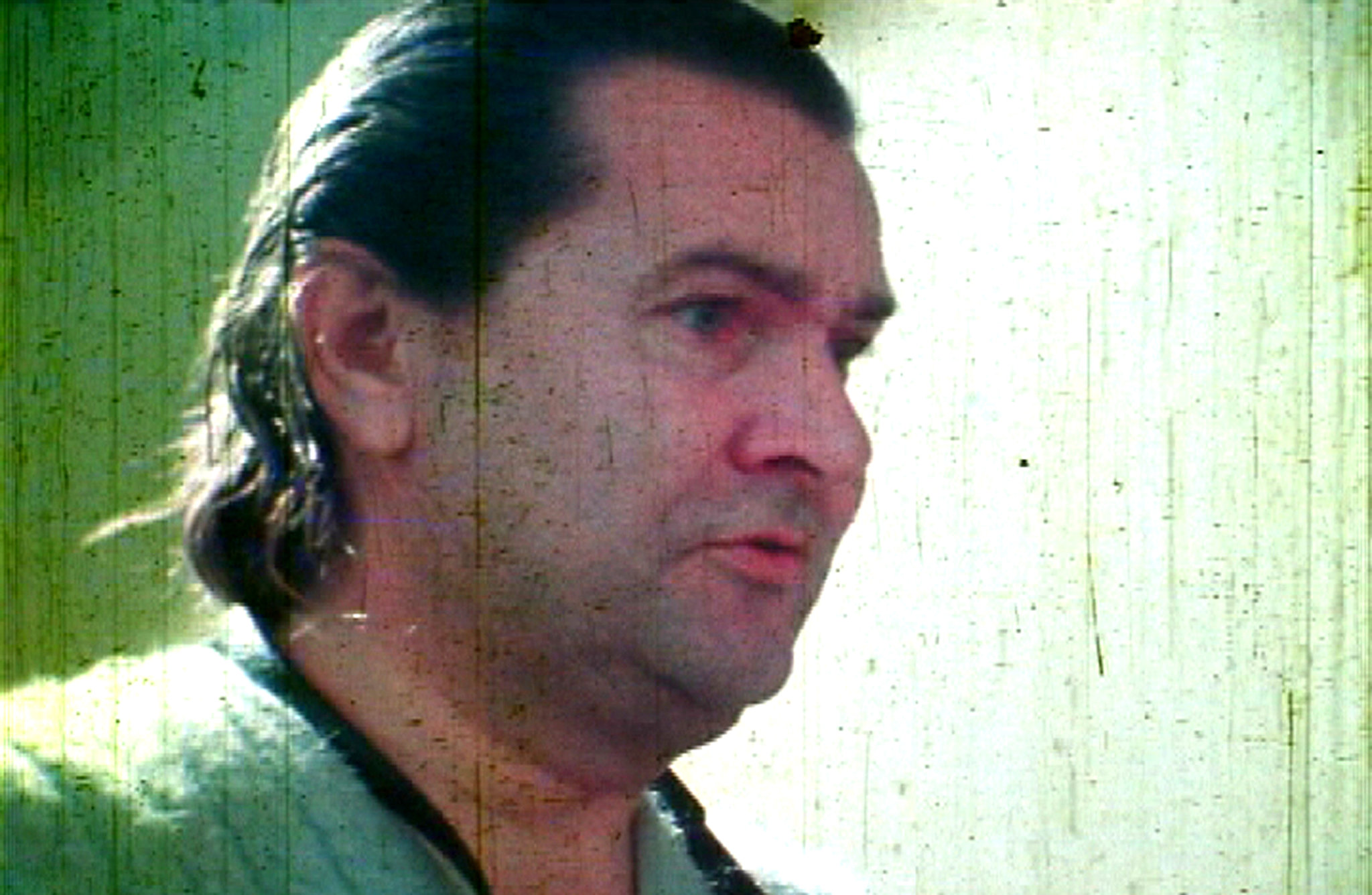
Tim Burton’s classic 1994 biopic Ed Wood, about the wonderfully weird and inept Edward D. Wood Jr. (played to perfection by Johnny Depp in a very charismatic performance), is a love letter to probably the most infamous 1950s B-movie director of all time, and one of my all-time favorites.
Despite the movie being incredibly sanitized, it is beloved by the Ed Wood fanbase, as it captures the spirit and determination of a man who lacked talent in a traditional sense, but never gave up on his dreams. As the film only captures a small selection of his life, thankfully skipping the “cradle to grave” formula that many biopics suffer from (especially music ones), we get a tight, concise film about his “golden” age of filmmaking, with the main emotional arc being his heartwarming friendship with fading horror star Bela Lugosi. Even the most casual of Wood fans know that his life goes well beyond Plan 9 from Outer Space, Glen or Glenda, and Bride of the Monster, and unfortunately, due to failure after failure, Wood eventually descended into poverty, incredibly heavy alcoholism, writing paperback smut novels, and almost all of his film work from this period (except Venus Flytrap and the often-debated Meatcleaver Massacre) being either Nudie Cuties, Sexploitation, or straight-up Pornography. While the 1994 film (and most of his real life in the 1950s) was cuddly and optimistic, the later years of Wood’s life were the complete antithesis, and incredibly depressing.
As Severin Films recently released a digitally remastered Blu-ray box set in the States of Wood’s later output (the rather groan-worthy titled Hard Wood), and with renewed interest in Wood’s later years thanks to websites such as Joe Blevins’ “Dead 2 Rights” blog and Will Sloan’s recent book Ed Wood: Made in Hollywood USA, would the world be ready for a sequel to Ed Wood?
Pros: Why Ed Wood 2 Could Work
One potential selling point for an EW sequel would be a darker, grittier character study that could explore the tragic reality of a man whose passion never faded, even as his career, finances, and mental and physical health were going to hell. This is probably why Rudolph Grey’s excellent biography was rather aptly titled Nightmare of Ecstasy. Despite reports that the porn-making helped feed his depression and alcoholism, he always kept an optimistic face for his public, once naively declaring that his 1970 sexploitation comedy Take It Out in Trade would “not be turned away from the box office!” It could provide extra layers to Wood’s personality, showing that despite his kindness, generosity, and idealism, he also had a rather unpleasant side, fueled by whisky and vodka excess. Basically, it could be a character study of the tragic cost of Wood’s blind optimism, and a filmic expression showing that not everybody is black-and-white personality-wise. It should be noted that the late 1960s and early 1970s were a very difficult period for all independent filmmakers, with many being forced into adult entertainment just to pay the bills, even when they had previously been making mainstream movies (Wood’s 1960 film The Sinister Urge alluded to his future fate). Even commercial stars like Adam West and Burt Ward from the 1960s Batman TV series were not immune to going down this sordid career path in the 1970s. It would be a real eye-opener to what the indie movie industry was like back then.
The story of his final, impoverished days, including his eviction from his home in 1978 and his eventual death just before his affectionate “worst director of all time” anti-fame posthumously kicked off, would also provide a more definitive, if tragic, end to his tale.
On a smaller note, we could get some really cool, campy 1960s-style go-go pop and 1970s library funk on the soundtrack. Imagine Howard Shore’s theme from the original film done in the style of a downtempo funk-rock tune. To add some authenticity, like how Ed Wood was shot entirely in black and white, they could film using an original vintage 16mm camera (or at least emulate the feel digitally), giving it the appearance of a classic cheap 1970s drive-in/grindhouse feature.
Cons: Why Ed Wood 2 Couldn’t Work
One of the selling points of the original Ed Wood was his friendship with Lugosi, as that provided the heart of the film’s storyline. Without Martin Landau’s excellent performance as Lugosi (and obviously Landau, who won an Oscar for the role, sadly passed away in 2017), a sequel would lack the same emotional anchor. The only character from Wood’s later years who could provide a similar arc would be his friendship with fellow exploitation director Stephen Apostolof (AKA A.C. Stephen, the Bulgarian equivalent of the infamous Russ Meyer), who Wood wrote films for in the 1960s and 1970s, including probably the most famous Wood-adjacent production from that period, 1965’s Orgy of the Dead. As Apostolof is mainly only known in B-movie fringe circles, it wouldn’t resonate the same way a household name like Lugosi did.
Beyond Lugosi, the “golden” age of Ed Wood was dominated by other colorful, larger-than-life misfits such as Tor Johnson, Vampira, and Criswell. The only name from Wood’s 1970s period that general audiences might recognize is infamous porn actor John Holmes (who appeared in several “loop” films allegedly directed by Wood), and rather tenuously, the legendary Christopher Lee, whose footage from another film was reportedly stolen for Meatcleaver Massacre. On a lighter note, there is also a reported meeting between Wood and future U.S. President Ronald Reagan in the mid-1960s, during Reagan’s time as Governor, in which Reagan named Wood’s pet dog “Bumper Sticker,” providing a much-needed spell of light relief in what could otherwise be a very dark film.
Another reason EW2 may not work is that the tone would have to be drastically changed from the original. As Woodians will be well aware, the later years weren’t an amusing look at eccentric misfits, but more about desperation. As the original biopic was already heavily romanticized, it’s hard to imagine the loveable Johnny Depp version of Ed directing films like Necromania, or scenes from 1969’s The Love Feast featuring a bloated, middle-aged Wood in drag, plastered, being bossed around by a dominatrix, plus his sometimes violent alcoholic mood swings. If you’ve read Grey’s book, it would totally break your heart. While the original film ends on an optimistic note, a sequel would have to completely dismantle that happy ending to show his later struggles, which ultimately resulted in his tragic death in December 1978 at only 54 years old.
It’s also hard to imagine a mainstream director like Tim Burton wanting to tackle such a sordid feature. Burton has expressed a lack of interest in sequels (with the exceptions of 1992’s Batman Returns and 2024’s Beetlejuice Beetlejuice), stating that some stories are best left on their own.
The Verdict
If Ed Wood 2 were ever made, it would almost certainly have no involvement from Tim Burton or Johnny Depp, and a family-friendly company like Disney would never finance a film about Wood’s descent into booze and porn. It would also appeal to a very limited market, and even within that market, most of his fanbase only care about his classic 1950s period. A full-scale theatrical release seems unlikely; it would probably end up on a non-mainstream streaming service. This is further complicated by the fact that the original was a complete commercial disaster, not to mention the current film industry is oversaturated with mediocre biopics.
If you want a sense of what a potential Ed Wood 2 could look like, imagine the 1997 film Boogie Nights, but with angora sweaters and references to old horror movies. “Boogie Nights in Angora,” if you will.
To quote the immortal words of old Tor: “Time for go to bed!”
Rory x
Support Halloween Love
If an item was discussed in this article that you intend on buying or renting, you can help support Halloween Love and its writers by purchasing through our links:

2 Comments
The perfect foundation for an EW2 is already out there, Bob Blackburn’s book “Kathy and I”, about his relationship with Ed’s widow Kathy and Bob’s discovery journey of Ed, and takes us through the latter years through both Kathy’s eyes as well as from his own research.
Thank you so much for your comment, Shawn, and I’ll certainly look out for ‘Kathy Wood and I’ – I’ve heard good things about that book, and looking forward to reading it!