
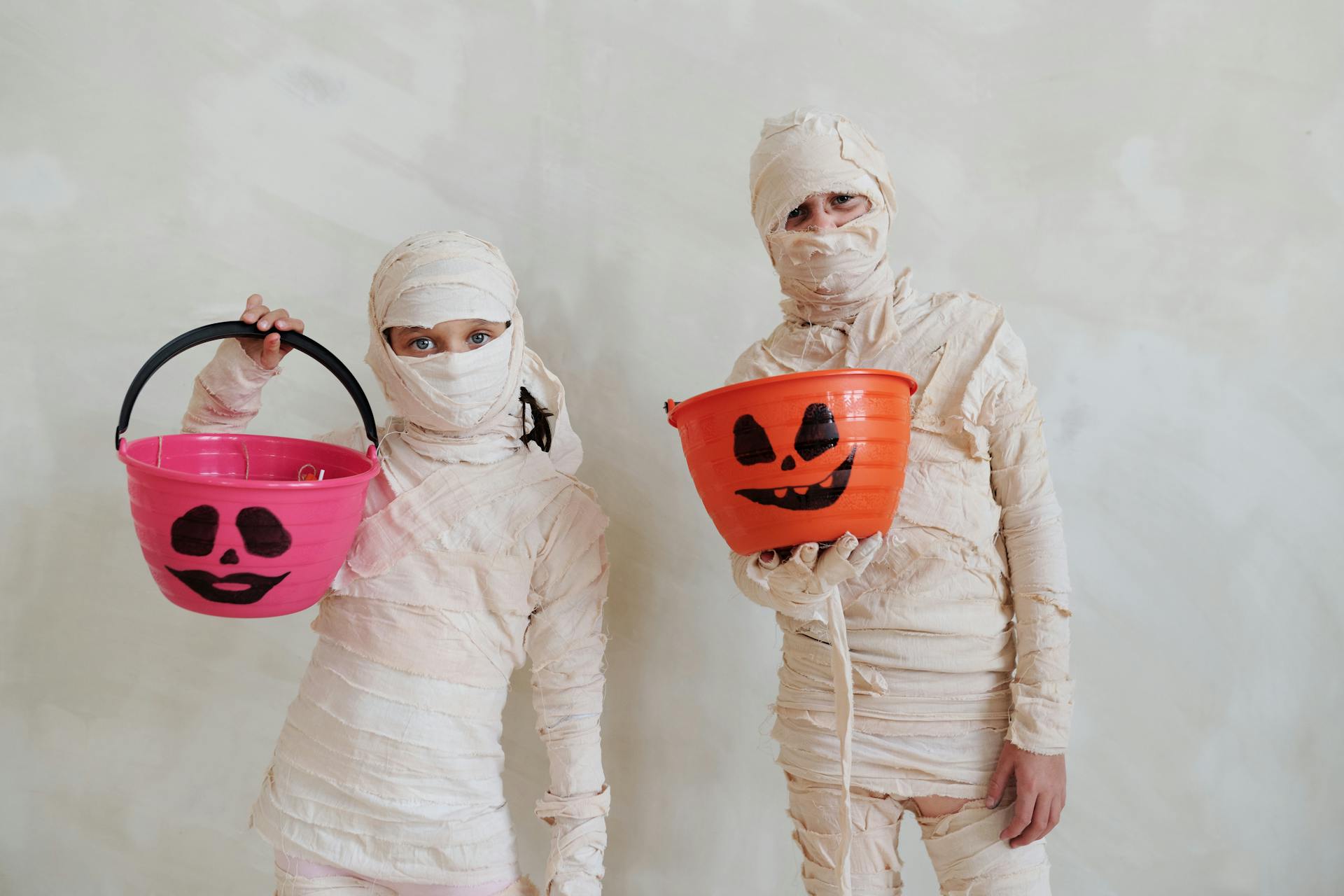
There are during Halloween a number of people who don’t just dress up — they look as if they’re from another realm entirely. They feel intentional, and grounded, and eerily plausible. You don’t go, “That’s a costume.” Instead you think, “This feels like a character.”
That distinction is subtle, but consequential.
A Halloween look becomes “real” when it ceases to depend on signature symbols, and begins to depend on story and texture and behavior and emotional consistency. It’s not about adding as many elements as possible, but rather how naturally those elements come together.
Creating a convincing Halloween look is, in many ways, closer to creating character designs for film or theater than it is simply donning a costume.
What Does “Real” Mean?
A realistic Halloween look doesn’t equal hyper-detailed or cost a lot of money. It means coherent.
Three psychological principles shape realism:
- Consistency: All of the choices in how it looks should feel like they’re from the same universe.
- Imperfection: No real life is polished or symmetrical.
- Believability: The viewer can believe the character continues to exist outside what they are currently seeing of them.
As soon as a look becomes too polished or overdone, the illusion shatters. People naturally perceive texture as how a thing comes to life: clothing, creases and wear as signs of personal history. In the absence of those cues, even something tailored and well designed can feel synthetic.
Begin with a Character, Not a Costume
The biggest change of mindset is simple: don’t start with what to wear. Begin with who you are becoming for the evening.
Ask questions like:
- What is the origin of this character?
- What has this person experienced?
- Are they rooted in reality, myth or imagination?
A costume that does Halloween well always has some backstory, even if it isn’t articulated. That story informs everything from posture to clothing choice to color palette.
For example:
- A “forgotten traveler” might be wearing faded, layered clothes that feel battered into a timeworn existence
- A “modern urban ghost” could infuse everyday fashion with understated distortion
- A “forest wanderer” might have earthy tones and organic textures
Without a story, a costume is mere decoration. With a narrative, it becomes identity.
Fabric, Texture and the Sensation of Reality
Humans don’t consciously analyze fabric; they perceive it visually.
Shiny, slick or overly synthetic materials often feel artificial because they lack an environmental history. In contrast:
- Gentle creases imply motion and time
- Subtle fading hints at weathering and age
- Layered materials imply depth and functionality
Even minor elements of fabric can skew perception wildly. A simple piece of fabric worn as an accessory, like a knotted strip of cloth or a dressed-up textile detail, can ground a look and make it feel lived-in.
Platforms like 4inbandana reflect how fabric as a storytelling medium has developed within fashion and styling communities, reinforcing that even basic textile elements affect identity and perception within a visual look.
Color Psychology: Why Muted Colors Seem More Real
Strong, saturated colors are often read as theatrical. They are performance markers, not reality. Realistic Halloween aesthetics tend toward:
- Muted tones
- Slightly desaturated palettes
- Earth-inspired colors
- Controlled contrast
It doesn’t mean shunning color — it means using it purposefully. A controlled palette frees the eye to appreciate form, texture and expression rather than getting lost in visual noise.
Embracing Flaws Is the Key to Authenticity
Perfect costumes seem staged because life is never perfect.
Small imperfections create credibility:
- Uneven edges
- Slight asymmetry
- Natural-looking wear
- Unexpected layering
These details simulate history. They imply that the outfit has been worn, not just thrown on. Even slight inaccuracies in placement or fit can be hugely effective at increasing realism.
The aim is controlled imperfection: enough difference to feel human, but not enough to feel accidental.
Movement, Posture, and Behavior
A realistic Halloween costume isn’t static.
How a person moves in their costume is just as integral as the costume itself. A character should not act bombastically or erratically.
Small behavioral choices matter:
- How the character holds themselves in a room
- How they react to attention
- Whether they move jerkily or flow smoothly
Sometimes silence itself is part of the design. A commanding costume and deliberate stillness often play more credibly than a hyperanimated one.
Atmosphere: Completing the Picture
A costume lives outside of itself. Perception is affected by lighting, surroundings and context.
Dim lighting enhances mystery. Natural shadows add depth. Even simple backgrounds can become a force if they serve the mood of the character.
A richly detailed costume in the wrong setting can come across as less believable than a simple look in a meticulously crafted environment. Context is part of storytelling.
Understated Design Elements That Ground the Look
The best Halloween looks usually depend on barely visible details:
- Layer transitions between fabrics
- Slight asymmetry in accessories
- Natural folds in clothing
- Minimal but intentional additions
These elements don’t ask for attention, but reward it. This achieves a more immersive experience as the viewer discovers them gradually.
Mistakes That Shatter the Illusion
Many Halloween looks fall flat not because they are simple, but because they don’t tie together.
Common issues include:
- Mixing too many unrelated themes
- Overusing decorative elements
- Ignoring texture and fabric realism
- Overly leaning into costume cliches
If everything is emphasized equally, nothing stands out. Realism is about hierarchy: some details matter more than others.
Don’t Wear the Character — Become It
A Halloween look works when it stops acting like a costume and starts acting like an apparition.
It is not about how it looks, but why you created it. And most of all, it is not about how much there is to add — but how well it all belongs together.
The best Halloween costumes aren’t instantly recognizable. They are the people you gradually comprehend.
Because ultimately, realism is not about perfection. It is about belief.
Support Halloween Love
If an item was discussed in this article that you intend on buying or renting, you can help support Halloween Love and its writers by purchasing through our links:
