
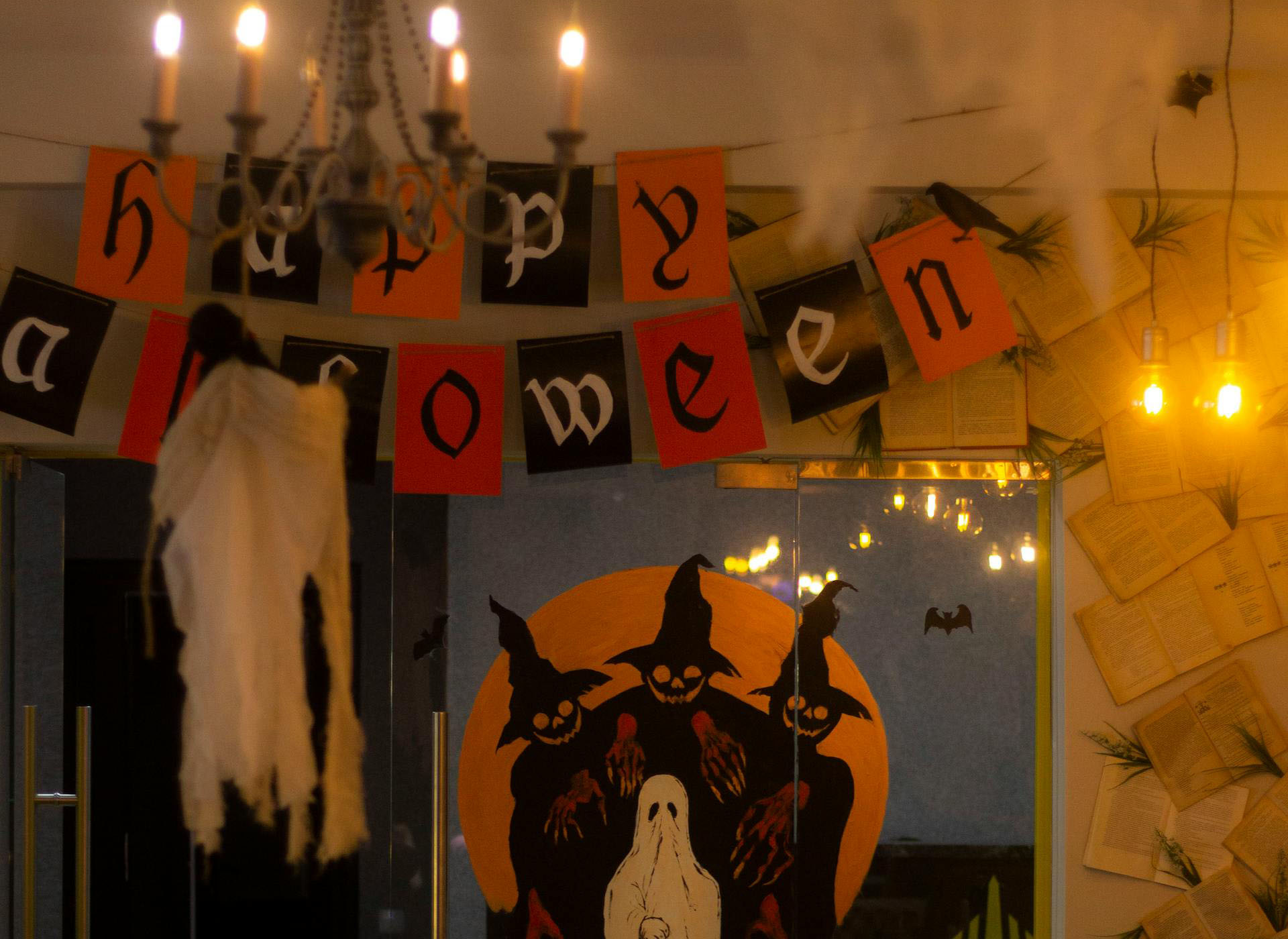
Picture this: You enter a darkened room where arms extend, shadows reach the walls, creaking echoes off in the distance and warming scents of earth touch your nose and you take a long deep breath. Nothing leaps out at you — yet something feels distinctly wrong.
That is the essence of Halloween.
However, creating a Halloween-themed space is not as straightforward as throwing up decorations or hanging cobwebs. It’s about creating an experience — one that appeals to the senses and stirs emotion. The best Halloween settings aren’t the ones that shout or overwhelm you, but rather those that subtly draw you into their orbit.
For novice haunted decorators, the lesson is that effective Halloween design is multi-layered. It utilizes visual, auditory, olfactory and spatial awareness to create an environment that feels immersive and alive.
Soaking in the Spirit of Halloween Atmosphere
At its root, three emotional pillars underpin Halloween’s essence:
- Mystery
- Unease
- Nostalgia
A well-planned space evokes such feelings. It does not show you everything immediately. Instead, it invites you to use your imagination, to fill in the gaps with your mind.
On a psychological level, fear is often driven by the unknown. Something as simple as a flickering light or a faraway sound is more powerful than anything overt. This is why subtlety matters. Over-decorating a space can dilute its effect; whereas, with the right quantity in the right places, even a bare room can feel creepy.
Selecting a Theme
Starting with a theme will help you before adding anything to your space. A coherent idea will inform every decision you make.
Some beginner-friendly themes include:
- Haunted House: Classic, spooky, and timeless
- Vintage Halloween: Autumn warm tones with a touch of nostalgia
- Gothic Atmosphere: Mysterious, dark and moody
- Minimal Eerie: Sterile environments just slightly off from normalcy
A theme gives your decisions direction. Without one, a space can feel scattered or confusing. With it, even simple elements can create a strong, unified atmosphere.
Lighting: The Ultimate Visual Instrument
Lighting is perhaps the most essential aspect of any Halloween display. It affects how everything else is perceived.
Avoid blaring overhead lights. Choose instead:
- Low, dim lighting
- Flickering candle effects
- Diffuse, directional light that produces shadows
Shadows are especially powerful. They warp familiar shapes and suggest uncertainty. A mundane object becomes unsettling when only partially concealed by darkness.
Avoid over-lighting your space. Darkness isn’t something to eliminate — it’s something to use.
Sound Design: Adding an Invisible Layer of Fear
Sound is an introduction to immersion. It goes on in the background, shaping feelings without demanding attention.
Effective Halloween sound design includes:
- Ambient sounds like wind or distant thunder
- Subtle creaks, whispers, or echoes
- Occasional, unpredictable sounds
The idea is not to overwhelm but to amplify. Constant loud noise can be distracting, but faint, sporadic sounds add tension and suspense.
The Role of Scent
Of all sensory components, scent is often the most overlooked — yet it can be the most potent.
Our sense of smell is deeply linked to memory and emotion. A certain smell can take someone back to an entirely different place or time. For Halloween, some scents are just part of the season:
- Earthy or woody tones
- Smoky or slightly burnt notes
- Subtle autumn-inspired aromas
The importance of scent is even recognized in modern approaches to atmosphere design. For example, customizable fragrance elements — such as those created by platforms like 4inlanyards — showcase how scent can adapt to create an atmosphere that communicates consistency and longevity with a given space, whether in smaller personal spaces or larger thematic areas.
The key is subtlety. A faint whiff can deepen immersion, while a strong smell can overwhelm and break the illusion.
Visual Dimension: Texture, Palette and Details
Once that sensory foundation is laid, the visual layer adds vibrancy to the space.
Use a restrained color palette:
- Black, dark crimson, burnt orange, muted browns
Then focus on textures: rough, aged, or worn surfaces alongside fabrics that shift softly with air movement.
Pay attention to detail placement, especially in:
- Corners of the room
- Doorways
- Small, easily overlooked areas
Avoid clutter. Too many elements can dilute the atmosphere. A few well-placed details hit harder than papering every inch of space.
Spatial Design: Thinking Beyond Decoration
A Halloween-themed space is not merely visual — it’s something to move through.
Think about how people will use the space:
- What do they notice first upon entering?
- What draws their attention next?
- Are there areas of contrast: light vs. darkness, open vs. confined spaces?
Designing for movement adds a storytelling dimension. It transforms a static room into a journey of discovery, taking visitors from one revelation to the next.
Tying it All Together
The magic happens when each element works with the others.
- Lighting sets the mood.
- Sound builds tension.
- Scent adds depth.
- Visuals create identity.
The goal is balance. No single element should dominate. They should meld together into one cohesive experience.
Test your setup before committing to it. Walk through the space slowly. Focus on how it feels, not just how it looks.
Beginner Mistakes to Avoid
When just starting out, it’s easy to fall into some common traps:
- Overdecorating without a clear theme
- Overlooking sensory elements like sound and scent
- Revealing everything rather than hinting at it
- Inconsistency between elements
Good design is not about doing more — it’s about doing things deliberately.
Designing an Experience, Not Just a Space
A great Halloween-themed space isn’t defined by how many props you have.
Through a focus on atmosphere, sensory balance, and understated storytelling, an ordinary space can become memorable — not just something that impresses on sight, but something that lingers after you’ve left.
Because in the end, the most potent Halloween moments aren’t the ones you see — they’re the ones you feel.
Support Halloween Love
If an item was discussed in this article that you intend on buying or renting, you can help support Halloween Love and its writers by purchasing through our links:
