
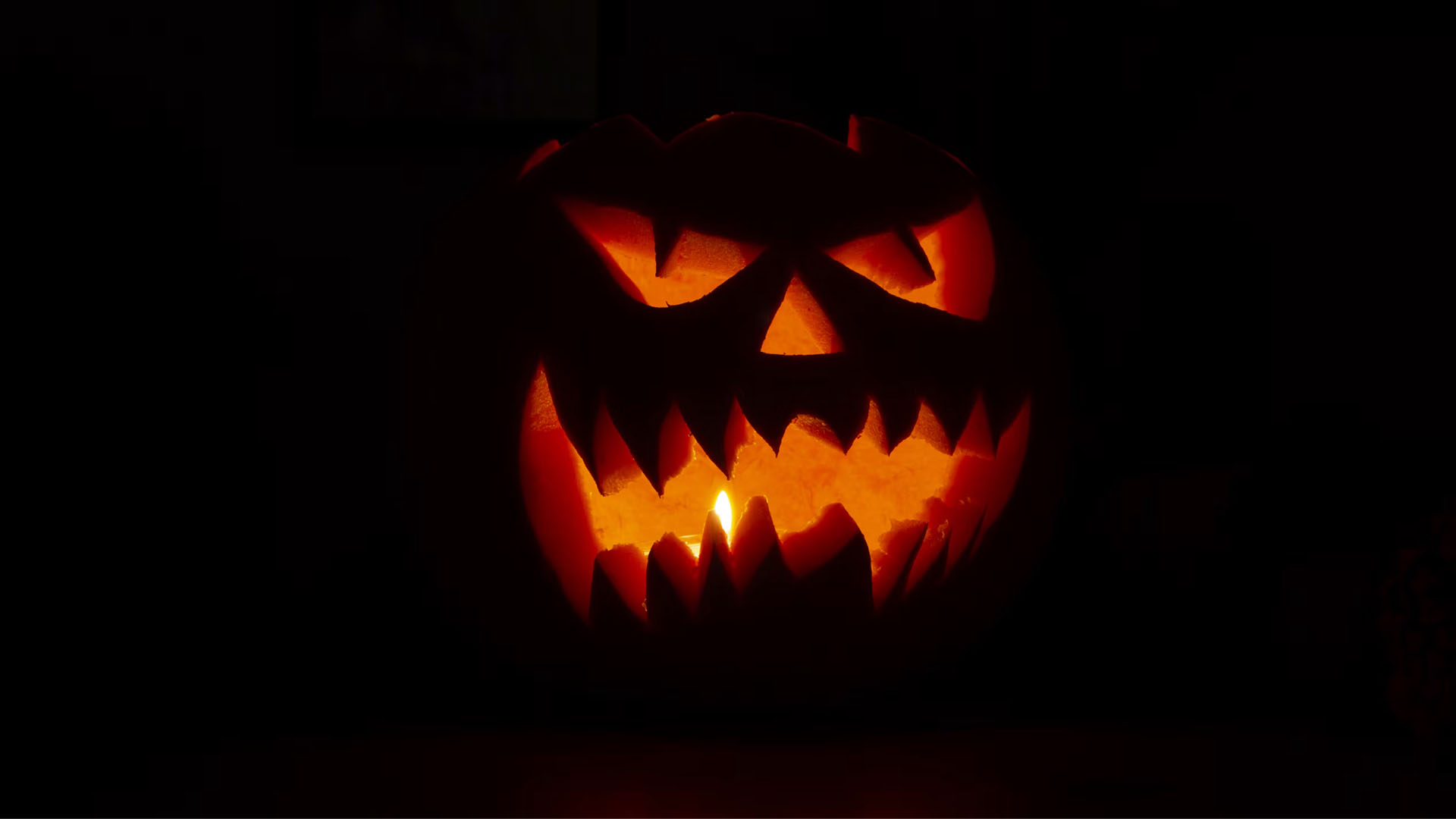
Every October, familiar horror films return to television screens, streaming platforms, and neighborhood cinemas. Despite the constant arrival of new releases, audiences continue revisiting decades-old classics, from atmospheric supernatural stories to iconic slasher films. Their enduring popularity suggests that Halloween viewing habits are shaped by something more powerful than the desire to experience a new scare.
Nostalgia plays a central role in this tradition. Classic horror movies often remind viewers of childhood Halloween celebrations, late-night television screenings, or memorable evenings spent watching frightening stories with friends. Over time, these associations can become just as important as the films themselves, transforming familiar scenes into comforting seasonal rituals.
Yet nostalgia alone does not explain why older horror films continue attracting younger generations. Distinctive visual styles, practical effects, memorable characters, and accessible storytelling help these productions remain culturally relevant. Understanding their appeal reveals how horror cinema connects personal memories with shared traditions.
Why Halloween Creates Such Powerful Emotional Memories
Halloween is unusually effective at creating lasting associations because it combines visual traditions, seasonal routines, and collective experiences. Decorations, costumes, autumn weather, and familiar music establish an atmosphere that audiences can recognize immediately. Horror films become part of this environment, reinforcing memories that return whenever the season approaches.
For many viewers, watching a classic horror movie is less about discovering the ending than recreating a familiar emotional experience. Knowing when a frightening scene will occur can even make the film more enjoyable, allowing audiences to appreciate its atmosphere without the uncertainty of a first viewing.
Modern entertainment offers many ways to experience suspense and anticipation. Online activities, including services associated with futbol bahis (Turkish for football betting), rely on different forms of excitement but involve financial risks that distinguish gambling from watching a film. Classic horror, by contrast, provides a fictional environment in which viewers can revisit frightening situations without facing the dangers portrayed on screen.
| Nostalgic Element | Connection to Halloween | Audience Experience |
|---|---|---|
| Familiar soundtracks | Recalls previous screenings | Emotional recognition |
| Autumn settings | Reinforces seasonal atmosphere | Immersion |
| Iconic characters | Connects generations of viewers | Shared cultural references |
| Annual viewing rituals | Creates predictable traditions | Comfort and anticipation |
| Practical visual effects | Recalls older filmmaking styles | Appreciation of craftsmanship |
These elements help explain why familiar horror films can feel particularly meaningful during October.
How Classic Horror Became a Seasonal Tradition
Certain horror films have become inseparable from Halloween because their settings, characters, and themes naturally complement the holiday. John Carpenter’s Halloween, released in 1978, is an especially influential example. Its suburban setting, restrained visual style, and recognizable musical theme helped establish a lasting connection between slasher cinema and the October season.
Other classics remain popular even without taking place on Halloween itself. The Exorcist, The Shining, and A Nightmare on Elm Street offer different forms of fear, demonstrating that supernatural threats, psychological uncertainty, and memorable villains can all contribute to seasonal viewing traditions.
Digital technology has made these films easier to revisit. Streaming services, online rental platforms, and digital collections allow audiences to access older titles without depending on television schedules. Mobile services, including unrelated entertainment applications such as Melbet android, reflect the wider shift toward smartphone-based digital consumption, although gambling applications carry financial risks. For horror fans, digital distribution primarily provides more convenient access to cinematic history.
Several factors support the continued popularity of traditional Halloween viewing:
- Annual screenings that turn individual films into recurring events.
- Familiar characters that inspire costumes and decorations.
- Streaming availability that introduces older productions to new viewers.
- Family and friendship traditions built around shared movie nights.
- Social media discussions that renew interest in established classics.
These habits help older films maintain an audience even when their original theatrical releases belong to a distant era.
The Lasting Appeal of Practical Horror Effects
Practical effects remain one of the most recognizable characteristics of classic horror cinema. Before digital imagery became widely available, filmmakers relied heavily on makeup, prosthetics, mechanical devices, miniature models, and carefully constructed physical sets.
These techniques often created distinctive textures and movements that continue to interest audiences. John Carpenter’s The Thing, released in 1982, is frequently discussed for its elaborate creature effects, while An American Werewolf in London became influential for its physical transformation sequences.
The appeal is not simply that practical effects are inherently superior to computer-generated imagery. Rather, their physical presence can produce a particular visual character that fits the atmosphere of certain horror stories.
| Film | Release Year | Notable Horror Technique |
|---|---|---|
| The Exorcist | 1973 | Makeup and mechanical effects |
| Halloween | 1978 | Lighting, framing, and restrained violence |
| Alien | 1979 | Creature design and physical sets |
| The Thing | 1982 | Elaborate practical creature effects |
| A Nightmare on Elm Street | 1984 | Makeup and surreal visual effects |
Modern horror filmmakers sometimes combine practical techniques with digital enhancements, demonstrating that traditional craftsmanship remains relevant rather than obsolete.
Why Familiar Horror Characters Never Disappear
Classic horror characters often become cultural symbols that extend beyond their original films. Michael Myers, Freddy Krueger, Jason Voorhees, and Dracula remain recognizable through costumes, posters, merchandise, and references in contemporary entertainment.
Their popularity depends partly on simple but distinctive visual identities. A mask, silhouette, costume, or signature movement can make a character recognizable even to someone who has never watched the complete film.
These figures also represent different kinds of fear. Michael Myers embodies an apparently relentless threat, Freddy Krueger transforms dreams into dangerous territory, and Dracula reflects longstanding anxieties surrounding mortality, desire, and the supernatural.
For younger audiences, encountering these characters through Halloween costumes or internet culture may create curiosity about the original movies.
How Horror Nostalgia Connects Different Generations
Horror cinema has an unusual ability to connect viewers who grew up in different decades. Parents may introduce their children to films they watched during adolescence, while younger viewers can discover older productions through recommendations and curated streaming collections.
These shared experiences encourage discussions about changing filmmaking techniques, cultural expectations, and the evolution of fear.
The same film may also produce different reactions across generations. A viewer who remembers its original release might associate it with childhood anxiety, while a younger audience member may appreciate its historical importance or visual creativity.
Three elements make these intergenerational connections particularly strong:
- Recognizable stories that remain understandable across different periods.
- Memorable characters that continue appearing in popular culture.
- Seasonal traditions that encourage repeated viewing and discussion.
Classic horror therefore becomes more than entertainment. It provides a shared cultural reference through which audiences can compare memories and experiences.
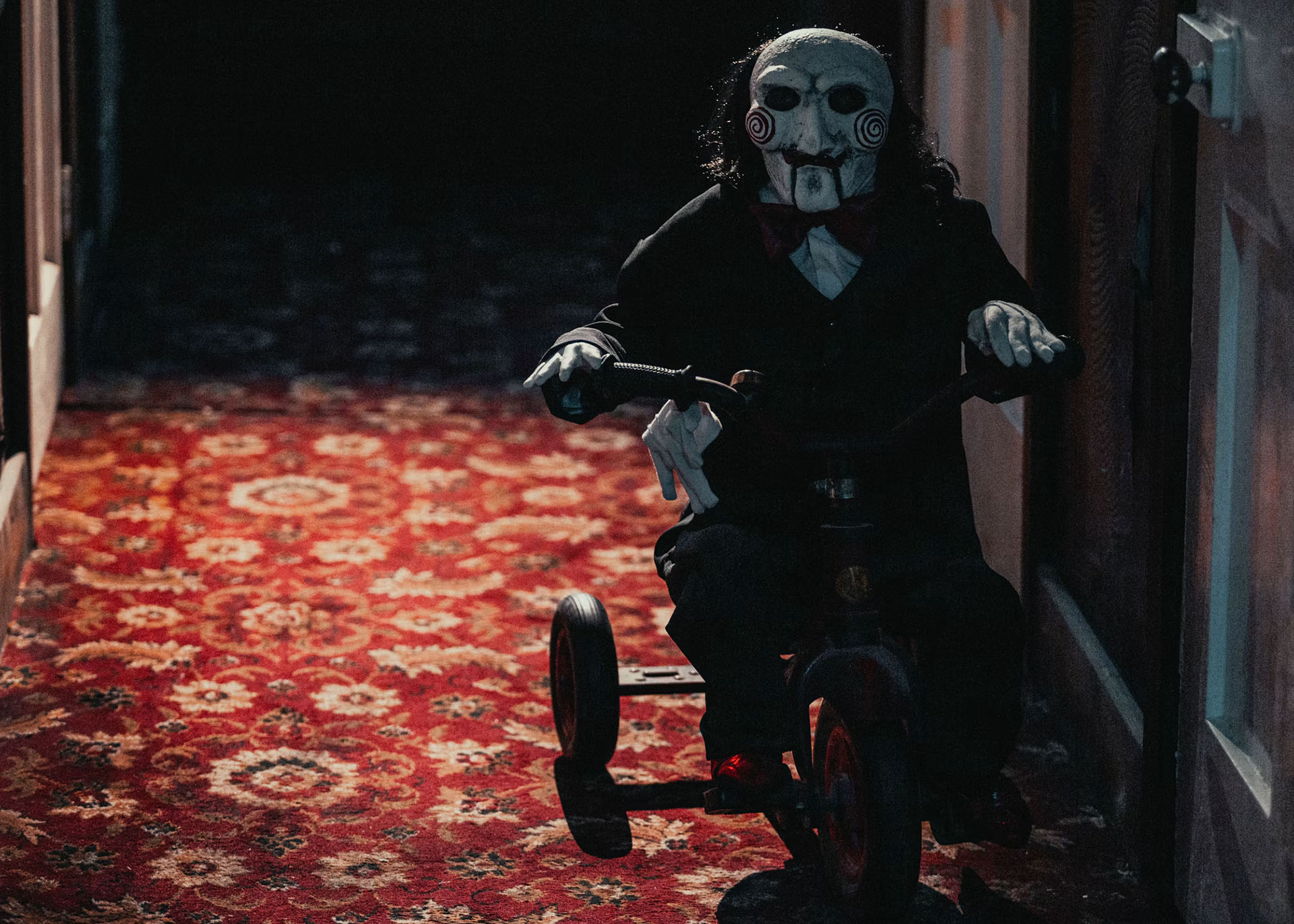
The Role of Streaming and Social Media in Horror Revivals
Digital distribution has changed how audiences discover and revisit classic horror. Streaming catalogs can introduce older films to viewers who might never encounter them through traditional television or physical media.
Social media further supports this process through recommendations, retrospective reviews, video essays, and discussions of memorable scenes. Halloween-themed content often increases interest in older titles as viewers search for films that match the season.
However, availability remains inconsistent. Licensing agreements frequently change, and a film accessible on one service may disappear from its catalog later.
| Digital Channel | Contribution to Horror Nostalgia |
|---|---|
| Streaming platforms | Convenient access to older titles |
| Video essays | Historical and thematic analysis |
| Social media | Recommendations and seasonal discussions |
| Online film communities | Shared reviews and viewing traditions |
| Digital rentals | Access beyond subscription catalogs |
These channels help preserve cultural visibility, although long-term film preservation still depends on archives, restoration specialists, and rights holders.
Why Classic Horror Atmospheres Still Work
Older horror films frequently rely on suspense, carefully controlled pacing, and uncertainty rather than continuous action. These techniques remain effective because they engage the viewer’s imagination.
A quiet hallway, an unfamiliar sound, or a character entering an apparently empty room can create tension without elaborate visual effects. The audience anticipates danger before it becomes visible, allowing fear to develop gradually.
Classic films also benefit from recognizable locations. Suburban houses, isolated hotels, rural roads, and ordinary neighborhoods transform familiar environments into threatening spaces.
This approach continues influencing contemporary filmmakers who use restrained storytelling and atmospheric tension to build psychological discomfort.
Although some older films contain outdated conventions or uneven performances, their strongest cinematic techniques remain capable of engaging modern audiences.
Why Halloween Nostalgia Will Continue Shaping Horror Cinema
Halloween nostalgia is unlikely to disappear because it operates through both personal memories and cultural traditions. Each generation develops its own favorite horror films while inheriting established classics from earlier audiences.
Restorations, anniversary screenings, and new home-video editions can renew attention to older productions. Meanwhile, contemporary filmmakers frequently reference classic horror through visual compositions, musical styles, and familiar storytelling structures.
Nostalgia also encourages audiences to explore the history of the genre. Someone who begins with a popular slasher film may eventually discover earlier supernatural thrillers, Gothic cinema, or international horror traditions.
The continued popularity of classic horror demonstrates that frightening stories can also provide familiarity, comfort, and a sense of connection. Audiences return not only for memorable scares but also for the experiences and relationships associated with watching these films.
Practical effects, recognizable characters, and atmospheric storytelling give many older productions qualities that remain distinctive decades after their release. Digital distribution and seasonal traditions introduce these qualities to new generations.
As long as Halloween remains a celebration of imagination, suspense, and shared experiences, classic horror movies will continue finding their place in annual viewing rituals. Their enduring appeal proves that a familiar nightmare can sometimes be just as compelling as a new one.
Support Halloween Love
If an item was discussed in this article that you intend on buying or renting, you can help support Halloween Love and its writers by purchasing through our links:
