
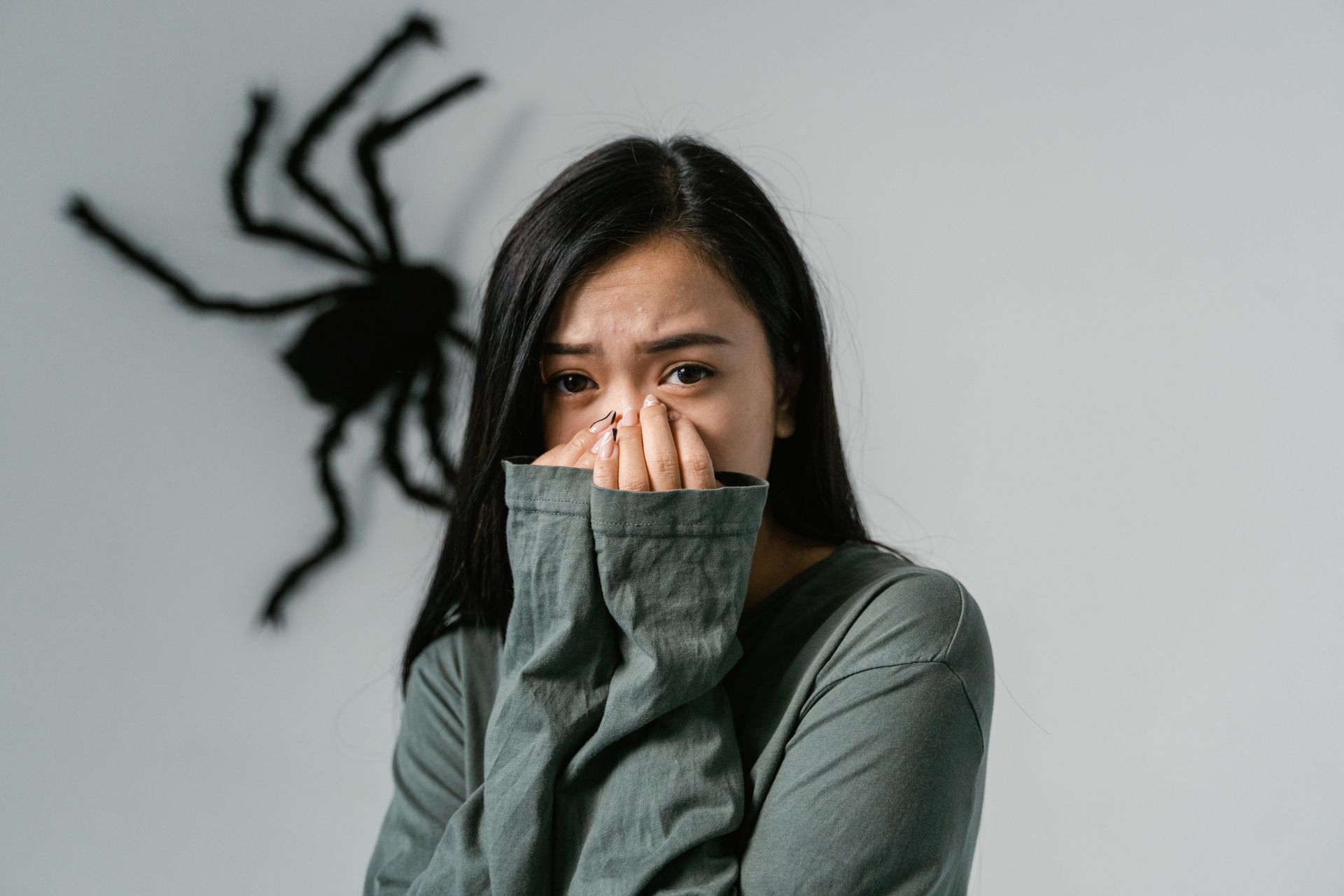
Walking into a haunted house is more than a test of courage. The second the lights dim, creepy sounds start echoing, and something suddenly jumps out at you, your body gets to work.
Even though you know the danger isn’t real, your brain doesn’t completely buy it.
Your heart speeds up. Your breathing changes. Your senses become sharper. You might even leave with sweaty palms and shaky legs.
The surprising part? Some research suggests that a haunted house may even trigger short-term changes in your immune system.
Let’s see what actually happens to your body from the moment you step inside.
Your Brain Goes Into Alert Mode
The first thing that reacts isn’t your heart.
It’s your brain.
As you move through dark hallways and unexpected surprises, your brain quickly checks whether something could be dangerous. It doesn’t spend much time thinking. It reacts first.
That’s why you can scream before you even realize the “monster” is just an actor.
Haunted houses are fun because they sit in that sweet spot between scary and safe. Your brain knows you’re visiting an attraction, but your body still responds like something exciting might happen.
Your Heart Starts Racing
One of the first things you’ll notice is your heartbeat.
It gets faster. Sometimes much faster.
Researchers studying haunted house visitors recorded average heart rates of around 112 beats per minute during the experience. That’s a pretty good workout for simply walking through a building.
You might notice:
- A pounding heartbeat
- Warm cheeks
- Extra energy
- A burst of excitement
Completely normal.
Adrenaline Kicks In
This is where things get interesting.
Your body releases adrenaline almost immediately.
That one hormone does a lot of work behind the scenes. It helps you react faster and prepares your body for action, even though you’re really just trying to make it to the next room.
Here’s what changes:
- Your pupils get bigger so you can see more in the dark.
- Your lungs take in more oxygen.
- Your muscles get ready to move.
- Your body pauses less important jobs like digestion.
- Your energy levels jump.
It’s basically your body’s “just in case” mode.
Your Senses Feel Super Sharp
Ever notice how every tiny sound suddenly seems louder?
That’s not your imagination.
Fear makes your brain pay closer attention to what’s happening around you.
A creaking door. A shadow moving. Someone whispering behind you.
Things that normally wouldn’t matter suddenly grab your attention.
That’s also why haunted houses rely so much on lighting, sound effects, and perfectly timed jump scares. Your brain is already looking for clues.
Your Muscles Tighten Without You Realizing It
You probably won’t notice this while it’s happening.
But chances are you’re:
- Clenching your jaw
- Gripping the handrail
- Holding onto your friend
- Raising your shoulders
Your muscles naturally tense up when something feels unpredictable.
Once you’re outside again, they slowly relax.
Yes, You Really Do Get Sweaty
Those sweaty palms?
They’re real.
Fear activates your sweat glands, especially in your hands, feet, and underarms.
It’s not because the haunted house is hot.
It’s because your nervous system is working overtime.
Most of the time, this reaction disappears once the excitement is over. However, if your palms sweat frequently even when you’re calm, you may be curious about the sweaty hands meaning and what separates a normal stress response from persistent palm sweating. Understanding the difference simply helps explain why sweaty hands can happen in very different situations.
So if you leave the attraction wondering why your hands suddenly feel damp, you’re definitely not the only one.
Your Breathing Changes
Have you ever caught yourself holding your breath before opening the next door?
Most people do.
During a haunted house, your breathing might:
- Speed up
- Pause for a second
- Turn into a quick gasp after a jump scare
Your body simply wants more oxygen available if you need to react quickly.
Your Immune System Might React Too
This is probably the biggest surprise.
Researchers studying visitors at a Danish haunted house found temporary changes in immune activity after the experience.
Among participants who started with low-grade inflammation, more than 80 percent showed lower inflammation a few days later.
Scientists are still learning exactly why this happens, so it’s too early to say haunted houses are “good for your health.” But the early findings are definitely interesting and show how connected your brain and body really are.
Why You Feel So Good Afterwards
The best part often comes after the scares.
Once you make it outside, your body starts calming down.
Adrenaline drops.
At the same time, chemicals linked with positive feelings can increase, leaving you with a sense of relief and accomplishment.
That’s why people often walk out laughing after spending thirty minutes screaming.
It sounds strange.
But it happens all the time.
Everyone Experiences Haunted Houses Differently
No two people react exactly the same way.
Your experience depends on things like:
- Whether you enjoy horror movies
- How stressed you are that day
- Your personality
- How much you like surprises
One person might laugh through every room.
Another might keep their eyes closed the entire time.
Both reactions are perfectly normal.
So, Can Haunted Houses Actually Be Good for You?
They’re definitely entertaining.
And researchers are beginning to explore whether controlled fear might offer some short-term benefits.
Current research is looking at things like:
- Better mood afterward
- A sense of accomplishment
- Lower anxiety after finishing the attraction
- Temporary changes in immune activity
There’s still plenty to learn, but one thing is already clear.
Your body is doing a lot more than simply getting scared.
What You’ll Probably Notice During Your Next Visit
If you’re heading to a haunted house this Halloween, pay attention to how your body reacts.
You might notice:
- Your heart starts racing before the first scare.
- Every sound suddenly feels louder.
- Your palms get sweaty.
- You jump before your brain catches up.
- You leave laughing instead of panicking.
Once you know what’s happening behind the scenes, the whole experience becomes much less mysterious.
Final Thoughts
A haunted house doesn’t just scare you.
It switches on one of your body’s oldest survival systems.
Your brain reacts first. Your heart speeds up. Adrenaline takes over. Your muscles tighten. Your breathing changes. Even your immune system may briefly respond.
Then, once it’s all over, everything settles down again.
That’s part of the fun.
Even when you know the zombies, ghosts, and monsters aren’t real, your body still gives you the full experience. And that’s what makes every haunted house visit feel like your own horror movie for just a little while.
Support Halloween Love
If an item was discussed in this article that you intend on buying or renting, you can help support Halloween Love and its writers by purchasing through our links:
